Insights
The Company
Switchboard

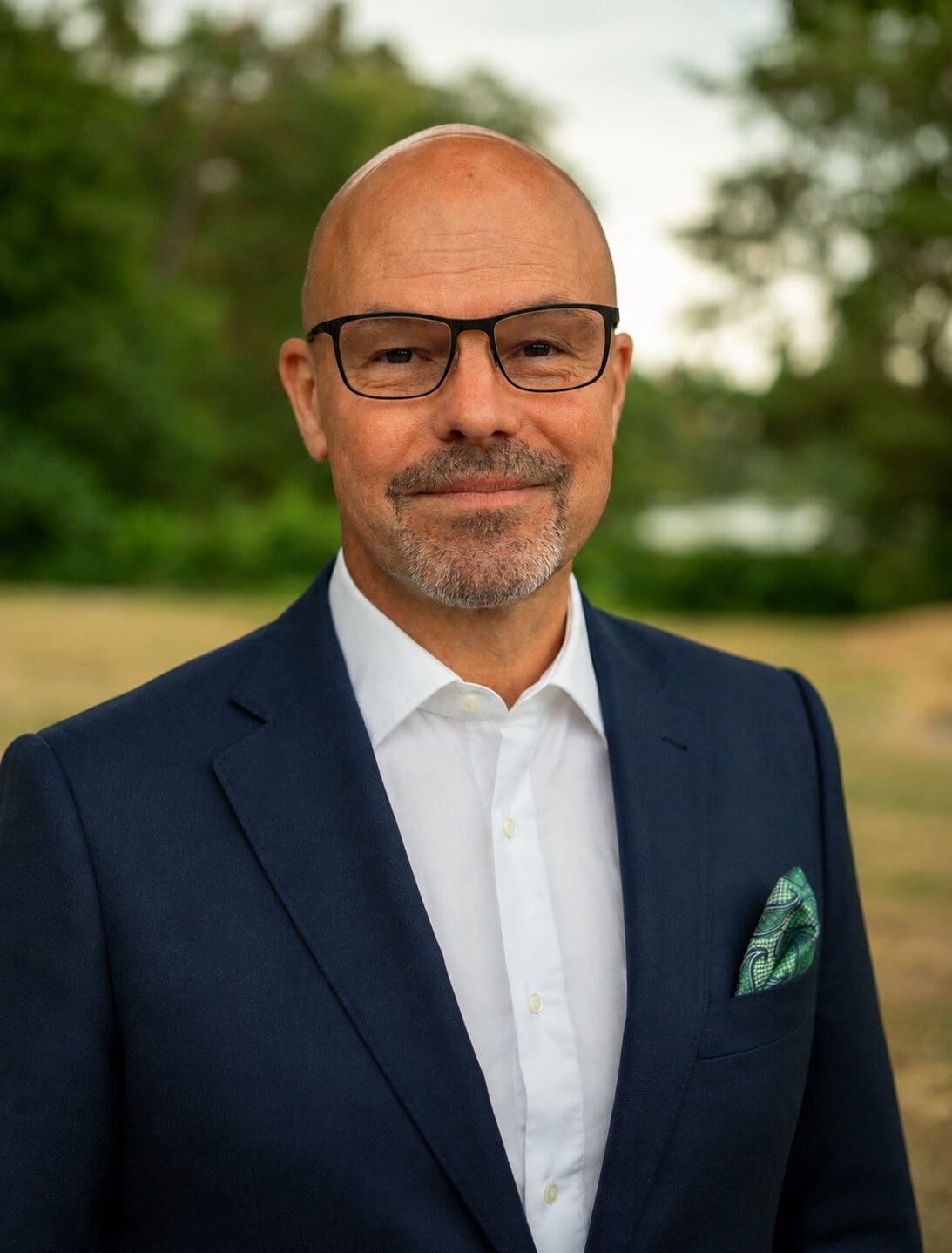
Stefan Kihlgård, a consultant at Adviser Partner, has over 40 years of experience in sales, business development, and leadership, and knows what it takes to drive real commercial growth.
He has worked in everything from operational sales to executive management and strategic business development—across products, services, and SaaS—and with both transactional and complex B2B sales.
One insight has stayed with him over the years: Most companies have significantly more sales potential than they are currently realizing.
At Adviser Partner, Stefan helps owners, CEOs, and sales managers identify that potential and translate it into higher sales, better profitability, and sustainable growth.
This may involve strategy and sales leadership, but just as easily sales processes, prospecting, customer development, CRM, skills, activity levels, or sales culture.
Stefan’s approach is simple: not everything needs to change. It’s about identifying what makes the biggest difference—and making it happen.
True sales development isn’t about momentary inspiration. It’s about changing behaviors that lead to more effective activities, bigger deals, and better results.
Do you know how much more your sales organization could achieve?
Schedule an initial consultation with Stefan. Together, you’ll identify where the greatest potential lies, what’s standing in the way today—and what it takes to turn that potential into results.
In fact, it’s often the companies that are already selling well that have the greatest opportunity to take the next step.
The question isn’t just whether you’re selling, but how much of your true potential you’re realizing. If you can increase your activity slightly, make the deals a little bigger, or raise your closing rate by a few percentage points, it will quickly have a major impact on revenue.
That’s why I’m less interested in whether you’re “good or bad” at sales. I’d rather understand what you’re already doing really well—and where there’s still money and potential to be gained.
A higher sales target has been set—but very little else is changing.
On Monday, the same salespeople will show up for work. They’ll meet the same customers, have the same schedule, and work pretty much the same way as before.
So my question is quite simple:
What’s going to drive that increase?
If you want a different result, you also need to do something differently. It doesn’t have to involve major changes. Often, it’s several small improvements in sales practices that, when combined, create a significant impact.
Often less than you might think.
It’s easy to assume that a big increase in sales requires a major change. But sales are influenced by several factors at the same time.
A little more activity.
Somewhat larger transactions.
A completion rate that is a few percentage points higher.
A small but meaningful improvement.
Each of these improvements may seem fairly minor. But when they're added up across an entire sales force and a full year, the impact is significant.
That's why I think it's more interesting to ask what can be improved a little—rather than looking for a single, big solution.
Most companies know pretty exactly how much their sales organization costs.
Fewer know how much their sales approach costs.
This could include customer meetings that never get scheduled, deals that don’t close, unnecessary discounts, quotes that are never followed up on, or existing customers whose potential is never realized.
Each of these things may seem fairly minor on its own. But when multiplied by all salespeople and all deals over the course of a year, the total can be significant.
That’s why I think one of the most interesting questions a company can ask itself is:
What does it cost us to sell the way we do today—and what would a few improvements be worth?
Contact me
Curious about what Stefan and Adviser Partner can do for you?
Contact me now—let’s turn your sales into lasting dominance!